Silverfish Control in Windsor, ON: Prevention and Control Guide
Understanding Silverfish and Why They Appear in Windsor Homes
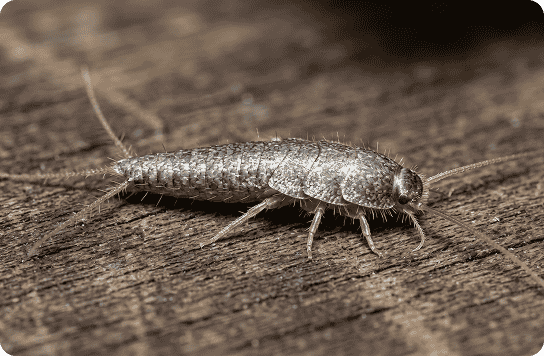
Silverfish are tiny, quick-moving insects that flourish in dark, damp areas of the home. If you are trying to identify silverfish in a Windsor property, the first clue is usually where they hide: near baseboards, under sinks, in cluttered storage, or near areas with ongoing dampness. They are especially drawn to a moist environment, which is why they are often found in basements, bathrooms, kitchens, and laundry rooms.
In many Windsor homes, silverfish appear because indoor conditions give them exactly what they need: moisture, shelter, and food sources such as starches, glue, and dust. High humidity from humid summers, poor air circulation, and condensation in lower-level rooms can create favourable conditions for these pests. If a basement feels musty or damp, it can quickly become a silverfish hotspot.
Silverfish are nocturnal, so homeowners may not notice them right away. Instead, they often discover the issue through indirect clues like small damage signs or tiny droppings. Because they move quickly and hide well, a careful inspection is often necessary to confirm the extent of the problem. Early damage prevention depends on reducing moisture and limiting access to food and shelter.
Indicators of a Silverfish Infestation
A frequent signs of infestation is visible harm to books, magazines, wallpaper, or storage items. Silverfish feed on starches and sugars, which means paper products are particularly vulnerable. Homeowners in Windsor often first notice curled pages, irregular edge damage, or thin yellow stains on stored items.
They additionally leave small black specks that resemble pepper. These are their feces, and they may appear near paper stacks, baseboards, shelves, or storage bins. Another sign is the presence of discarded skins, which are left behind as silverfish grow. These translucent skins may be found in closets, basement corners, or near sinks.
If you store seasonal items in paperboard boxes, you may see damage on the outside of the box itself as well as the contents inside. Silverfish can chew through glue on packaging and damage labels, documents, and collectible items. Because they target hidden spaces, the problem may be more advanced than it first appears.
Watch for these common clues:
- Patchy holes or scraping on books and documents
- Black specks in drawers or storage areas
- Molted skins near walls or boxes
- Damaged edges on wallpaper, labels, or paper products
Why Silverfish Are Widespread in Windsor, ON
This pest are especially frequent in Windsor, ON because the local climate can support them throughout much of the year. The Great Lakes climate contributes to wide seasonal swings, and those shifts can raise indoor humidity, mainly in lower-level areas. Moist summer weather near the Detroit River can make moisture control less manageable for homeowners, while winter temperature changes can lead to condensation in basements and crawl spaces.
Many older homes in Windsor have building materials and layouts that are especially susceptible to moisture intrusion. Aging foundations, settled structures, and worn utility penetrations can create foundation cracks and other entry points that allow pests to move indoors. Silverfish do not need large openings; even small gaps can provide access if conditions inside are favourable.
The combination of older housing stock, damp lower levels, and seasonal humidity makes silverfish control a common concern for many residents. If your home was built decades ago, it may have areas where ventilation is restricted and moisture accumulates more easily. That is why local pest control Windsor services often focus on both exclusion and moisture management as part of a broader integrated pest management plan.
Another local factor is the way many homes in Windsor use basements for storage. That creates ideal harborage areas for silverfish, especially when boxes, papers, and seasonal décor are stored without tight sealing. For long-term effective control, it is important to look at the home as a system rather than treating only the insects you can see.
How to Avoid Silverfish in Your Home
The most effective way to prevent infestation is to keep your home less appealing to silverfish by focusing on moisture, clutter, and access points. Since these pests favor damp, hidden spaces, the goal is to reduce humidity, remove food sources, and eliminate entry points where possible.
A dehumidifier is often one of the most useful tools for Windsor homeowners, especially in basements and laundry areas. Running it during humid months can help lower indoor moisture levels and make the environment less inviting. Good ventilation also matters. Bathroom fans, kitchen exhaust fans, and basement air circulation can all help keep surfaces less damp.
Smart storage practices are another key part of prevention. Replace loose cardboard and paper storage with sealed storage containers whenever possible. Since silverfish are attracted to starch-based adhesives and paper fibre, this step can significantly reduce their access to food and shelter. Keep floor space clear in basements and storage rooms so pests have less hiding places.

You should also focus on sealing entry points. Caulk around gaps in trim, utility lines, and window frames. Repair cracks where needed and pay close attention to the foundation. If you can seal cracks before pests find them, you will reduce the chance of a recurring issue. Good prevention also includes regular cleaning so dust, crumbs, and debris do not accumulate.
Practical prevention steps include:
- Use a dehumidifier in damp lower levels
- Boost ventilation in bathrooms, kitchens, and basements
- Place documents and supplies in sealed bins
- Leave storage areas organized and uncluttered
- Fill cracks and gaps around the exterior and interior
Do-it-yourself silverfish management vs Professional Pest Control Windsor Services
Some property owners begin with DIY traps to capture silverfish and check where they are most active. They can be handy as a brief clue, especially when set near baseboards, sinks, or storage areas. However, traps alone rarely address the root cause. They may pick up a few insects but do little to address humidity, cover, or access routes.
A lot of store-bought pest sprays can provide brief relief, but they are often not a full solution for silverfish in Windsor homes. If the moisture problem remains, the population can grow back. In addition, sprays used without a plan may miss hidden areas such as wall voids, void spaces around plumbing, or dense clutter in basements.
That is where integrated pest control becomes important. A well-rounded IPM approach combines assessment, identification, sanitation, exclusion, humidity control, and targeted treatment. Rather than relying on one product, it builds a treatment plan around the conditions that allow silverfish to persist. That creates more reliable specialist treatment and better home protection.
Expert services also bring experience that helps homeowners recognize silverfish activity accurately and choose the right focused solution. During a expert inspection, local experts can assess where the pests are entering, where moisture is accumulating, and whether the infestation is limited or widespread. For Windsor properties with repeated issues, this step can save time and prevent unnecessary product use.
Ideal Control Methods for Silverfish Control
The most effective outcomes usually stem from using together multiple control methods rather than counting on one product alone. For many homes, baits are a practical option because they target silverfish where they forage and feed. Baits can help reduce the population over time, especially when placed in hidden areas near moisture sources.
Residual sprays can also be part of an effective approach. These treatments leave a material on surfaces where silverfish may crawl, offering continued control after application. They are often useful along baseboards, around utility openings, and in other travel corridors. However, they should be paired with moisture management for best results.
Dust insecticides can be effective in voids and inaccessible spaces such as cracks, wall cavities, and utility openings. When used correctly, dusts can reach areas that sprays may not cover. They are especially helpful around hidden harborages, but they must be applied carefully and as part of a broader strategy.
All of these options work better when paired with moisture reduction. If you only treat the insects and ignore damp conditions, silverfish may return. That is why professional technicians often recommend a combination of drying measures, exclusion work, and targeted treatments. The goal is not just temporary knockdown, but long-term reduction.
In a Windsor home, the best treatment approach often looks like this:
- Lower humidity with dehumidifiers and ventilation
- Apply baits in active areas
- Use residual sprays along travel routes
- Place dust insecticides in hidden voids
- Support treatment with sanitation and storage changes
When to Reach Out to a Local Pest Control Windsor Expert
It is time to contact a trusted specialist when you spot repeated infestations despite tidying, sealing, and drying efforts. Silverfish that keep reappearing usually point to a hidden moisture issue or an access point that has not been addressed. In those situations, a property inspection can reveal the source of the problem and guide a more complete solution.
A professional can also inspect attics and crawl spaces, which are sometimes overlooked but can support pest movement or moisture buildup. Even if silverfish are mostly seen in basements or bathrooms, they may be entering from these less visible areas. An experienced technician will inspect beyond the obvious spots and check the full structure of the home.
Local pest control Windsor experts know the conditions common to the area, including older foundations, damp lower levels, and seasonal humidity near the Detroit River and Great Lakes. That local knowledge helps build a better fit between the treatment strategy and the home itself. If you want a durable result, professional help is often the fastest way to move from guesswork to action.
Fish moth Management Tips for Windsor Cellars, Washrooms, and Kitchens
Different spaces produce distinct environments, so silverfish prevention tends to work best when it is adapted to each space. In basements, focus on dampness, clutter, and organizing. In bathrooms, focus on water issues and ventilation. In kitchens, check crumbs, humidity, and stored packaging.
Begin with bathroom plumbing leaks. Even a slow drip beneath a sink or near the base of a toilet can create silverfish the damp conditions they need. Address leaks right away and make sure the area is completely dry. Turn on exhaust fans during and after showers to help pull moisture from the air.
In the kitchen, clear away crumbs in the kitchen and wipe surfaces regularly. Silverfish are interested in more than obvious food spills; they also eat tiny debris, starches, and residues that accumulate behind appliances or under cabinets. Keep pantry items sealed and inspect cardboard packaging if it is stored for long periods.
In laundry rooms, humidity can rise quickly from washers, dryers, and damp clothing. Ensure the space has good airflow and avoid leaving wet textiles in piles. In storage areas, replace open cardboard and paper stacks with sealed containers. This is especially important in Windsor homes where basement storage is common and cardboard boxes often sit for long periods.
Useful room-by-room advice:
- Basements: use a dehumidifier and reduce clutter
- Bathrooms: fix leaks and run ventilation fans
- Kitchens: clean crumbs and check under appliances
- Laundry rooms: improve airflow and avoid damp piles
- Storage areas: use sealed bins instead of paper boxes
How Local Pest Control Helps Protect Your Home Long-Term
The benefit of expert service is not only in quick results, but in the ongoing support that follows. A solid plan includes follow-up service, which helps confirm that the treatment is working and that the pest pressure is remaining low. This is particularly helpful when moisture conditions vary with the seasons.
Preventive maintenance can include regular checks for cracks, humidity problems, and new pest activity. Local technicians may recommend new sealing work if they find sealed gaps have reopened or if settlement has created new openings. These steps support long-term long-term prevention rather than short-lived relief.
Monitoring is another key advantage. By tracking where silverfish are active, professionals can refine the treatment plan over time. That means if conditions change in a basement, attic, or crawl space, the response can change too. With the right ongoing maintenance, homeowners can safeguard stored items, reduce repeat activity, and maintain a cleaner indoor environment.
For Windsor residents, long-term pest control often https://toronto-onlc468.urbanvellum.com/posts/easy-day-trips-from-lasalle-on-and-nearby-windsor-excursions means staying ahead of seasonal humidity and watching the rooms most likely to support silverfish. Frequent monitoring and humidity control are often the difference between a one-time issue and a repeated problem.
Frequently Asked Questions About Silverfish Control
What attracts silverfish to homes in Windsor, ON?
Silverfish are attracted to humidity, moisture, darkness, and food sources such as paper, starches, and glue. In Windsor, ON, humid summers, damp basements, and seasonal moisture swings near the Detroit River and Great Lakes can make homes more appealing to them. They also like cluttered spaces with paper products, books, and cardboard boxes.
Are silverfish dangerous to people or pets?
Silverfish are not known to bite people or pets, and they are generally considered more of a nuisance than a direct health threat. That said, they can damage belongings and may signal a moisture problem that should be addressed. Their presence can also point to broader home protection concerns, especially in damp areas.
What is the best way to get rid of silverfish fast?
The fastest way to reduce silverfish is usually a combination of inspection, moisture control, and targeted treatment. Baits, residual sprays, and dust insecticides may help lower activity, but you should also use a dehumidifier, improve ventilation, and seal cracks so new pests cannot enter. For a fast and lasting result, professional treatment is often the most effective option.
What’s the best way to keep silverfish out of my basement?
To stop silverfish out of your basement, focus on moisture control. Use a dehumidifier, repair leaks, and improve airflow. Place items in sealed storage containers instead of cardboard, and keep the area clutter-free so there are fewer hiding places. Also check for foundation cracks and other entry points that may need sealing.

When should I call pest control Windsor for silverfish?
You should call pest control Windsor when silverfish keep reappearing, when you find multiple infestation signs, or when the problem appears in more than one area of the home. A professional can provide a property inspection, identify hidden moisture issues in crawl spaces or attics, and create a targeted treatment plan for long-term prevention.
Mosquito Man Windsor
2485 Front Rd, LaSalle, ON N9J 2C5, Canada
+1 226-526-4711
https://maps.app.goo.gl/JwhSC65zfbLWNH6v7
https://mosquitoman.ca/pest-control/windsor/
42.2161228, -83.1003005